

Choosing between refinished and prefinished hardwood floors comes down to what you already have and what you need. Here is how the two options compare for homeowners in Agawam, Springfield, and the surrounding Pioneer Valley.
Refinished vs Prefinished Hardwood Floors: Quick Answer for Homeowners
Neither option is universally better. Refinishing existing hardwood floors is often less expensive than installing new hardwood floors, and it preserves the original character of your home. New prefinished hardwood flooring is a more convenient choice for new installations, especially when your current floor is beyond repair or you want a completely different wood species or plank width.
For many homeowners in Western MA, the decision hinges on one question: is there usable wood already under your feet? Homes built between 1920 and 1970 in this area frequently have ¾-inch solid hardwood (red oak, white oak, or maple) that can be sanded and refinished multiple times. Newer homes or additions may have engineered prefinished hardwood with thinner wear layers that limit future refinishing.
Here is a quick comparison:
| Factor | Refinished (Site-Finished) | Prefinished (Factory-Finished) |
|---|---|---|
| Cost per sq ft (Western MA) | $3–$5 for refinishing | $8–$15 installed (material + labor) |
| Disruption | 2–4 days, dust and odors | 1–2 days, minimal mess |
| Customization | Full control over stain color and sheen | Limited to manufacturer-stocked options |
| Durability of finish | Good (site-applied poly) | Better out of the box (aluminum oxide) |
| Future refinishing | Easy on solid wood | Harder; factory finish resists sanding |
If you are not sure which route fits your home, schedule a free in-home estimate with Expert Flooring LLC. We inspect your existing floors, measure thickness, and walk you through the best option for your budget and goals.
What Do “Refinished” and “Prefinished” Hardwood Floors Actually Mean?
These two terms describe where and when the finish is applied, not the type of wood itself.
Refinished hardwood floors are existing solid hardwood or engineered floors that are sanded, stained, and sealed on-site to restore or change the look. The floor is already installed; the finish is applied on site after preparation. This process also applies to unfinished hardwood floors, which are raw solid hardwood installed first and then finished on-site after installation.
Prefinished hardwood floors are pre finished hardwood floors that arrive from the factory already sanded, stained, and coated with a factory finish. Prefinished hardwood is factory-finished before installation and ready to walk on once the boards are locked or nailed in place.
Both solid hardwood and engineered hardwood can be either prefinished or site finished. The choice affects how you maintain the floor and whether you can refinish it later.
How Prefinished Hardwood Flooring Is Made (Factory Finish Basics)
Prefinished wood floors go through a controlled, multi-step manufacturing process. Each board is precision-milled, machine-sanded, stained, and then coated with multiple coats of finish; often five to ten layers. These coats typically contain aluminum oxide particles, a mineral with a Mohs hardness of approximately 9 (diamond is 10). The coats are cured under UV light before the product ships, producing a durable finish that is harder than site-applied finishes.
Prefinished hardwood flooring has a factory-applied finish designed for durability. Aluminum oxide coatings make prefinished hardwood highly scratch-resistant, which is why prefinished floors now account for about 85% of domestic wood flooring sales in the U.S.
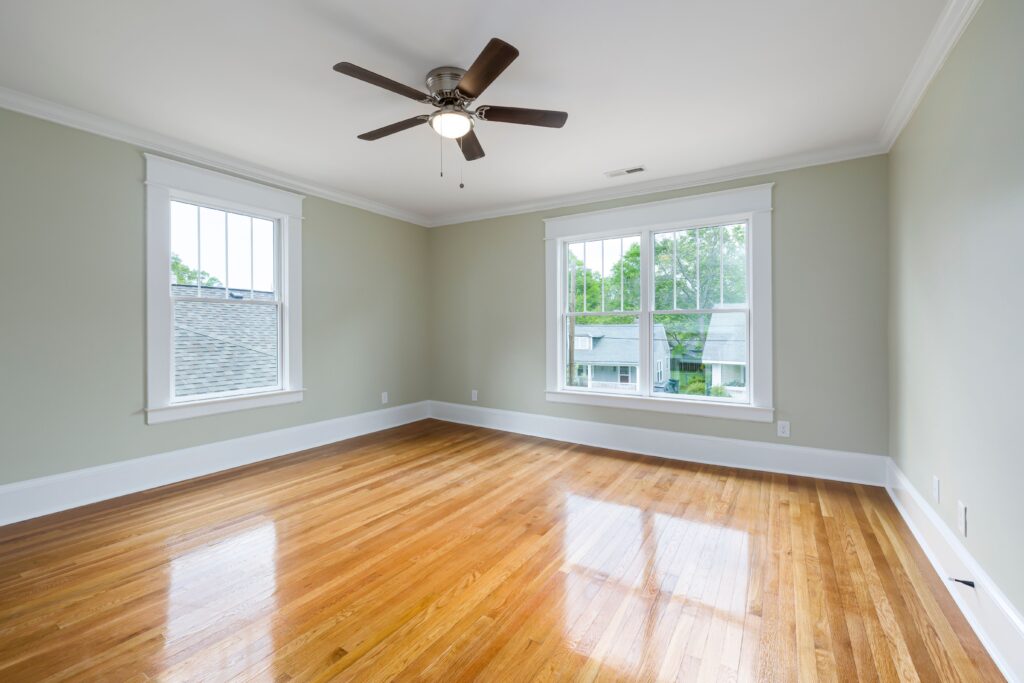
Prefinished hardwood arrives ready to install from the factory. No on-site sanding or finishing is required. Most prefinished floors have micro beveled edges between planks. Manufacturers use these beveled edges to mask slight size variations between boards, but they create visible seams that can collect dust compared to a perfectly flat, site finished surface. For high traffic areas like entryways, foyers, and busy kitchens, the aluminum oxide finish holds up well against daily wear.
How Refinishing Works: Restoring Existing Wood Floors On-Site
On site finishing involves sanding the entire floor down to bare wood, then building up a new protective finish from scratch. The sanding process removes old finish, stains, scratches, and minor surface damage.
Here is the typical step-by-step process for hardwood floor repair and refinishing:
- Inspection and prep: check for loose boards, nail pops, deep gouges, and water damage. Replace or repair damaged sections.
- Coarse sanding: aggressive sanding with low-grit paper to strip the existing finish and level the flat surface.
- Progressive sanding: work through finer grits until the wood is smooth.
- Stain application (optional): apply a custom stain color to achieve the final look you want.
- Finish coats: refinished floors use traditional polyurethane coats applied by hand or roller, typically two to three coats with dry time between each.
A screen and recoat is a lighter alternative. Instead of full sanding, a flooring professional lightly abrades the top coat with a screen, then applies a new coat of finish. This works when floors are dull but not deeply scratched, and it costs less than full refinishing.
For an average Western MA home (400–800 sq ft of floor), the entire process takes 2–4 days including dry times. Oil-based finishes need 8–24 hours between coats; water-based finishes recoat in 2–4 hours. Installation of unfinished hardwood requires waiting for multiple coats to dry before use.
Refinished floors are sanded flat after installation for a seamless, smooth finish with no beveled edges between planks.
Pros and Cons of Prefinished Hardwood Floors
Prefinished options have their own set of strengths and trade-offs. Here is what to weigh.
Pros:
- Prefinished floors can be installed in one to two days for a typical first floor, and you can walk on prefinished floors immediately after installation.
- No on-site sanding dust or strong fumes during installation.
- Prefinished hardwood typically lasts 25–30 years with proper care, and some prefinished hardwoods come with warranties up to 50 years.
- The aluminum oxide finish is scratch proof against everyday wear, good for homes with kids and pets in high traffic areas.
- Consistent stain color and sheen from board to board, because each plank is finished individually under factory conditions.
- Prefinished hardwood floors require less maintenance than site-finished floors.
- Wide selection of wood species, plank widths, and prefinished options available from manufacturers.
- Installation of prefinished hardwood is cheaper due to the faster process, even though prefinished hardwood can cost more upfront per square foot.
Cons:
- Prefinished floors limit customization to manufacturer-stocked colors and finishes. You cannot mix a custom stain on site.
- Micro beveled edges create visible seams that break up the continuous look of traditional hardwood.
- Refinishing prefinished floors is often more challenging than refinishing site-finished floors. Factory finishes on prefinished floors require more aggressive sanding to remove, and beveled edges on prefinished floors complicate the refinishing process.
- Refinishing prefinished hardwood can be more labor-intensive than unfinished wood.
- Replacing a single damaged board in a pre finished floor is tricky to blend with the surrounding factory finish.
Pros and Cons of Site-Finished / Refinished Wood Floors
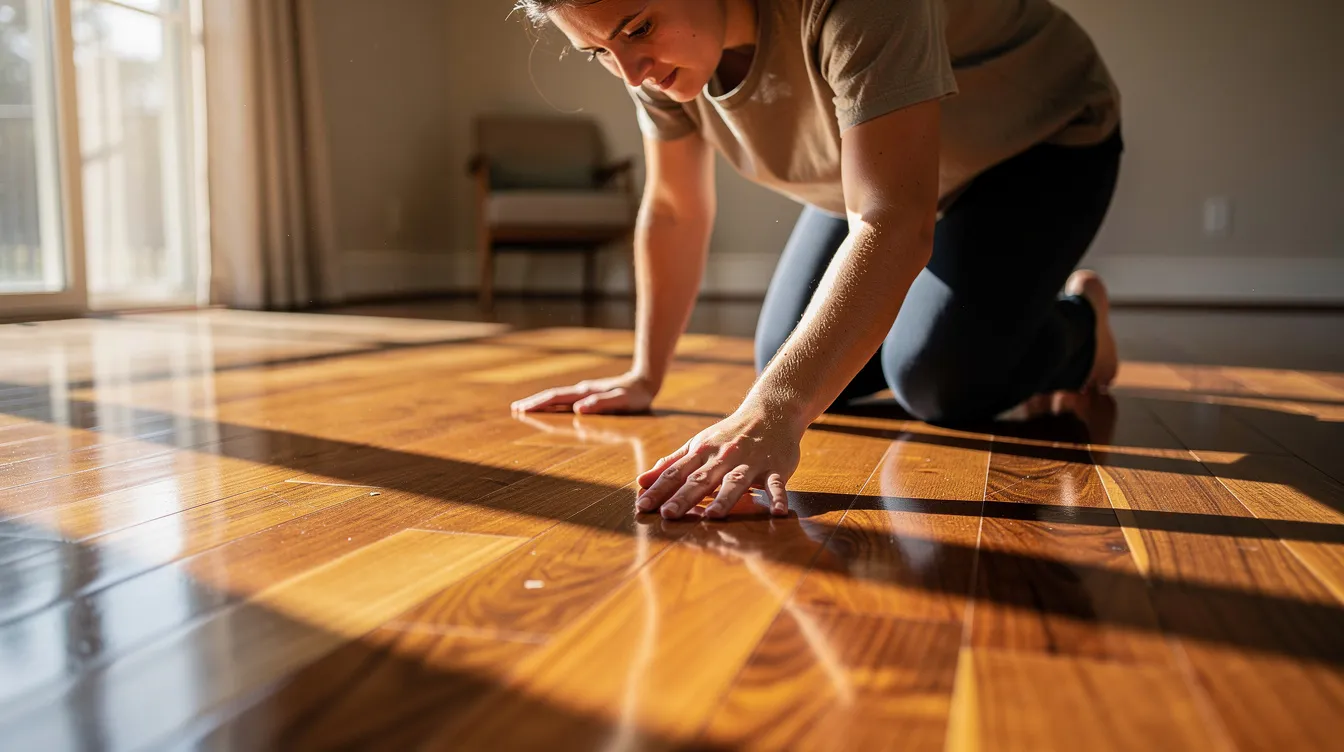
This section applies both to new unfinished wood flooring finished on-site and older solid hardwood that Expert Flooring LLC refinishes in homes across Springfield, West Springfield, Longmeadow, and the broader Pioneer Valley.
Pros:
- Unfinished hardwood allows for complete customization of stain and sheen. Refinished floors allow for total customization of stain blends and finishes, from matte to semi-gloss.
- Site-finished hardwood allows you to match existing hardwood’s custom stain color, which matters in historic homes where rooms were finished at different times.
- Refinished floors are sanded to a perfectly flat surface with no micro-bevels; the result is a seamless look across the entire floor.
- Refinished floors can be spot-repaired easily by sanding down and recoating damaged areas. Sanding existing hardwood can correct surface-level problems if enough wood thickness remains.
- Refinished hardwood allows for maintaining the original character of existing floors.
- Refinished hardwood can be repeated multiple times if the floors have enough thickness. Solid hardwood at ¾ inch typically supports 5–7 full refinishing cycles.
Cons:
- In-home refinishing creates a significant amount of airborne dust and odors. Refinished floors involve a multi-day process that creates heavy dust and strong odors, requiring you to vacate rooms.
- Unfinished hardwood requires more labor for sanding and finishing, and the total project timeline is longer than installing pre finished floors.
- Weather and humidity affect curing. In Western MA, seasonal swings can slow dry times or cause finish issues if the contractor does not manage conditions properly.
- The finished result depends on the skill of the refinishing contractor. Uneven stain or missed spots are harder to fix than a factory-controlled finish.
Cost Comparison: Refinished vs Prefinished Hardwood Floors
Actual prices vary by project, but here are general 2025–2026 ranges typical for Western Massachusetts.
Refinishing costs:
- Standard sand, stain, and finish on solid wood: $3–$5 per square foot in the Springfield / Agawam area.
- Additional sanding, board replacement, or water damage repair adds to the total.
- Screen and recoat (re coating without full sanding): less than full refinishing, often under $2 per square foot.
New prefinished hardwood installation costs:
- Materials for pre finished hardwood flooring (solid or engineered): $5–$10+ per square foot depending on wood species and wear layer thickness.
- Labor, removal of old flooring, and trim work: $3–$6 per square foot.
- Total installed cost for a new floor: $8–$15 per square foot or higher.
Refinishing existing solid hardwood is the best value when the real wood underneath is structurally sound. New prefinished hardwood floors are justified when the current floor is too thin, has been over-sanded, or has severe cupping or water damage.
Durability, Maintenance, and Future Refinishing Options
Long-term performance matters more than how the floor looks on day one.
Factory-finished prefinished floors with an aluminum oxide finish resist scratches better than site-applied polyurethane out of the box. Prefinished hardwood floors last 25–30 years with proper care, and prefinished hardwood floors often come with warranties up to 50 years. Site-finished floors with quality polyurethane hold up well too, but the finish quality depends on the contractor’s application and the number of coats.
Maintenance for both types is similar: sweep or vacuum with soft bristles weekly, damp mop with a pH-neutral wood floor cleaner, use felt pads under furniture, and place mats at entries. Avoid abrasive cleaners on either surface.
A screen and recoat extends the life of both finished floors and prefinished floors without full sanding. For solid wood under normal traffic, plan on full refinishing every 7–10 years; homes with pets or children may need it every 5–7 years.
Future refinishing potential depends on how much wood remains. Solid prefinished hardwood can typically be refinished because the wood is thick enough for additional sanding. Engineered hardwood can only be refinished if the wear layer is thick enough; a 2 mm wear layer supports one light refinish at best, while 4–6 mm allows multiple cycles.
Solid Hardwood vs Engineered Prefinished Floors: Refinishing Implications
Construction type is as important as whether the floor is prefinished or site finished.
Solid hardwood is real wood from top to bottom. At ¾-inch thickness, it supports 5–7 full refinishing cycles. This type is common in older Western MA homes and is ideal for long-term ownership.
Engineered hardwood has a solid wood wear layer bonded to composite layers of plywood or HDF. Many engineered prefinished hardwood products sold today fall into this category. Engineered prefinished floors are a good choice for areas with moisture concerns (basements, concrete subfloors), but the wear layer controls everything about future refinishing.
The NWFA sets a minimum of about 2.5 mm for any sanding; below that, only a screen and recoat is safe. A thick wear layer of 4–6 mm brings engineered floors close to solid wood in refinishing flexibility. Engineered floors with wear layers under 1 mm cannot be safely sanded at all.
Expert Flooring LLC evaluates thickness, bevels, and existing finish before recommending full sanding, screen and recoat, or replacement for prefinished wood or engineered wood floors.
How to Decide: Refinish Your Existing Floors or Install New Prefinished Hardwood?
Ask yourself these questions:
Refinishing is likely the right call if:
- Your existing floors are solid wood in decent structural shape.
- You want to keep the original character of your home.
- Budget is a priority (refinishing costs $3–$5/sq ft vs. $8–$15/sq ft for new installation).
- You are flexible on timeline and can handle 2–4 days of disruption.
- You want a custom stain color or finish sheen that matches other rooms.
New prefinished hardwood makes more sense if:
- Your current floor has severe water damage, cupping, or buckling.
- The wood is too thin from previous over-sanding.
- You want a different wood species, wider planks, or a totally new layout.
- You need a fast, low-disruption new installation (prefinished floors can be installed in one to two days).
Aesthetic preference also matters. Site finished hardwood gives you a perfectly flat, seamless surface. Pre finished hardwood floors offer a defined plank look with micro-beveled edges and a factory-styled finish.
If you live in Agawam, Springfield, Chicopee, Holyoke, Westfield, Longmeadow, East Longmeadow, or nearby areas, schedule a free estimate with Expert Flooring LLC for an on-site evaluation and a clear recommendation.
Expert Flooring LLC: Local Help with Refinishing and Prefinished Floor Decisions
Expert Flooring LLC is a hardwood flooring specialist based in Agawam, MA, focused on refinishing and repair as cost-effective alternatives to full replacement. We work in older homes throughout Greater Springfield and the Pioneer Valley, where solid hardwood floors are common and often great candidates for restoration.
Our core services include hardwood floor refinishing (sand, stain, seal), scratch and dent repair, water damage restoration, board replacement, and screen and recoat on solid wood and some prefinished floors. You can see examples of our work in our project portfolio.
The free estimate process is straightforward: we visit your home, inspect the floor, measure wood thickness, determine whether it is solid or engineered, assess damage, and walk you through your options. Whether the answer is refinish, screen and recoat, or new prefinished hardwood, you leave with a clear plan and a number.
Homeowners in Agawam, West Springfield, Ludlow, Wilbraham, Longmeadow, East Longmeadow, Southwick, and Enfield, CT: contact Expert Flooring LLC to discuss refinished vs prefinished hardwood floors for your specific home. Schedule your free estimate today to explore the best hardwood flooring solutions tailored to your home. Our expert team at Expert Flooring LLC will provide a comprehensive assessment, helping you decide between refinished and prefinished hardwood floors based on your unique needs, budget, and aesthetic preferences.
Understanding the Key Differences Between Refinished and Prefinished Hardwood Floors
When deciding between refinished and prefinished hardwood floors, it’s essential to understand the fundamental differences in their manufacturing, installation, and maintenance processes. This knowledge can help you make an informed choice that aligns with your home improvement goals.
Refinishing Hardwood Floors
Refinishing involves sanding down the existing hardwood floor to remove the old finish, stains, scratches, and minor imperfections. After sanding, the floor is stained to the desired color and sealed with protective coats applied on-site. This process restores the floor’s natural beauty and can be customized to match your home’s style perfectly.
Refinishing is typically done on solid hardwood floors but can also apply to engineered hardwood with a thick enough wear layer. The key advantage is the ability to preserve the original wood and character of your floor, which is particularly important in historic homes or those with unique wood species.
Prefinished Hardwood Floors
Prefinished hardwood floors arrive at your home factory-finished, meaning the sanding, staining, and sealing have already been completed under controlled conditions. The boards are ready to install immediately, offering a faster and cleaner installation process with minimal disruption.
The factory finish, often containing aluminum oxide, is extremely durable and scratch-resistant, making prefinished floors ideal for high-traffic areas and busy households. However, customization options are limited to the manufacturer’s available colors and finishes.
In-Depth Comparison: Refinished vs Prefinished Hardwood Floors
Installation Process
Refinished floors require a multi-step installation and finishing process that can take several days. Homeowners must prepare for dust, odors, and restricted access during this time. In contrast, prefinished floors can be installed in one to two days with no sanding or finishing on-site, allowing immediate use.
Customization
Refinishing offers full control over stain color, sheen, and finish type, enabling a unique look tailored to your preferences. Prefinished floors limit you to preset options, which may not perfectly match existing flooring or your ideal aesthetic.
Durability
Prefinished floors boast a harder factory finish that resists scratches and wear better than site-applied finishes. Refinished floors, while durable, rely on the quality of the finish applied on-site and the skill of the installer.
Maintenance
Both floor types require regular cleaning and care, but prefinished floors generally need less maintenance due to their tougher finish. Refinished floors may require more frequent touch-ups or refinishing over time, especially in high-traffic areas.
Cost
Refinishing existing hardwood floors is usually more cost-effective than installing new prefinished flooring. However, if your current floors are damaged beyond repair or you desire a new look entirely, investing in prefinished hardwood may be the better long-term choice.
Detailed Insights on Refinishing Process
Inspection and Preparation
Before refinishing, a thorough inspection identifies issues like loose boards, water damage, or deep scratches that need repair. Proper preparation ensures a smooth, long-lasting finish.
Sanding
The sanding process removes the old finish and levels the floor. Starting with coarse grit and progressing to finer grits, sanding reveals fresh wood ready for staining.
Staining
Applying stain allows full customization of color and tone, matching your home’s style or existing woodwork.
Sealing and Finishing
Multiple coats of polyurethane or other finishes protect the wood and enhance its beauty. Each coat requires drying time, extending the overall project duration.
Environmental Considerations
Refinishing generates dust and odors, which may require temporary relocation or containment measures to protect your home and health.
Prefinished Hardwood Flooring Manufacturing Process
Precision Milling and Sanding
Each plank is milled to exact dimensions and machine-sanded for smoothness.
Staining
Stains are applied uniformly to ensure consistent color across all boards.
Multiple Finish Coats
Several layers of factory-applied finish, often with aluminum oxide, create a hard, durable surface.
UV Curing
Curing under UV light hardens the finish, making it more resistant to wear and scratches.
Quality Control
Stringent inspections ensure each board meets high standards before shipment.
Advantages of Prefinished Hardwood Floors
Speed and Convenience
Quick installation minimizes home disruption.
Durability
Factory finishes last longer and resist scratches better.
Clean Installation
No dust or strong odors during installation.
Warranty
Many prefinished floors come with extended warranties.
Challenges of Refinishing Prefinished Floors
Hard Factory Finish
Requires more aggressive sanding.
Beveled Edges
Micro-beveled edges complicate achieving a seamless look.
Limited Wear Layer
Engineered floors may have insufficient thickness for multiple refinishing cycles.
Maintenance Tips for Hardwood Floors
Regular Cleaning
Sweep or vacuum weekly with a soft brush.
Damp Mopping
Use a damp mop with a pH-neutral cleaner designed for wood floors.
Protective Measures
Use felt pads under furniture and mats at entryways.
Avoid Harsh Chemicals
Stay away from abrasive cleaners and excessive water.
When to Choose Refinishing Over Replacement
Floor Condition
If the wood is structurally sound with minor surface damage.
Budget
Refinishing is more affordable than full replacement.
Desire to Preserve Character
Maintains the original look and feel of your home.
When to Opt for New Prefinished Hardwood Floors
Severe Damage
Water damage, cupping, or over-sanding.
Style Change
Wanting a different wood species, plank width, or layout.
Time Constraints
Need for fast installation with minimal disruption.
Solid Hardwood vs Engineered Hardwood Considerations
Solid Hardwood
Thicker, supports multiple refinishing cycles, common in older homes.
Engineered Hardwood
More stable with moisture, wear layer thickness limits refinishing.
How Expert Flooring LLC Can Help
Our team specializes in evaluating your current floors, measuring thickness, and recommending the best approach-whether refinishing or installing new prefinished hardwood. We provide detailed estimates and professional craftsmanship to ensure your floors look beautiful and last for decades.
Frequently Asked Questions
Can all prefinished hardwood floors be refinished?Most solid prefinished hardwood floors can be refinished if there is enough wood thickness. Engineered floors depend on the wear layer thickness.
How long does refinishing take?Typically 2–4 days, including sanding, staining, and finishing.
Are prefinished floors more durable?Yes, due to factory-applied aluminum oxide finishes.
Can I customize the color of prefinished floors?Customization is limited to manufacturer options; refinishing allows full control.
What maintenance do hardwood floors require?Regular cleaning, protective pads, and avoiding harsh chemicals.
Conclusion
Choosing between refinished and prefinished hardwood floors in Western Massachusetts depends on your existing floor condition, budget, timeline, and aesthetic goals. Refinishing preserves your home’s original character affordably but involves more disruption. Prefinished hardwood offers convenience, durability, and a quick installation but limits customization.
Expert Flooring LLC is here to guide you through these choices with expert advice and quality workmanship. Schedule your free estimate today and take the first step to beautiful, lasting hardwood floors that enhance your home’s value and comfort.