

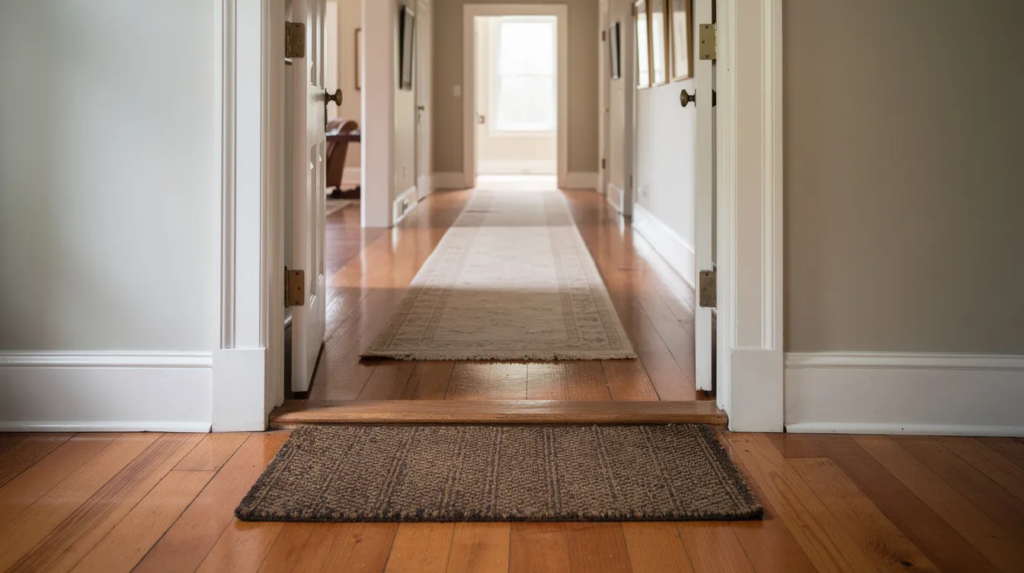
Solid hardwood floors can last 50 to 100 years with proper care, and many homes across Western Massachusetts still have their original oak or maple planks from decades ago. If you’re wondering how to extend the life of hardwood floors, the essentials are simple: sweep regularly to remove grit, clean with wood-safe products, protect high traffic areas from wear, control moisture and seasonal dryness, and schedule sanding or refinishing before surface damage turns permanent. Poorly maintained wood floors – especially softwood floors, which typically last only 10 to 30 years – can deteriorate to the point where replacement is the only option in as little as a decade.
For homeowners in Agawam and the Greater Springfield / Pioneer Valley area who want to restore existing hardwood affordably instead of replacing it, those habits protect both the look and lifespan of the floor. Research shows that regular maintenance can increase hardwood lifespan by 30 percent, which helps preserve home value and avoid the higher cost of full replacement. At Expert Flooring LLC in Agawam, MA, we focus on restoring existing hardwood through refinishing and repair – a far more cost-effective path than installing new floors.
This guide explains the daily and weekly cleaning routines that protect the surface, how to choose safe supplies and avoid harsh chemicals, and how to reduce wear in hallways, kitchens, and entryways. It also covers moisture, humidity, and Western MA winter conditions, damage from direct sunlight and heat, when to handle minor scratches and dents yourself, and when to plan for professional recoating, sanding and refinishing, repair, or replacement.
Know Your Hardwood Floor and Floor’s Finish
Before you buy any cleaner or attempt DIY work, you need to identify two things: your hardwood species and your floor’s finish. Species differ in durability. Select hardwood species with a Janka rating of 1200 or higher for long-lasting performance. Hickory has the highest Janka rating at 1820, making it exceptionally hard-wearing, while maple and oak have Janka ratings of 1450 and 1360, respectively. Softer species like walnut or pine scratch more easily and demand gentler maintenance. Engineered wood floors are made from multiple layers of material and have thinner wear layers, meaning fewer sanding opportunities over their life.
Your finish determines which products are safe to use. Film finishes like polyurethane sit on top of the wood’s surface and form a protective layer. Penetrating finishes (hardwax oil, tung oil) soak into the wood. Wax finishes provide minimal barrier. Here’s how to tell them apart:
- Rubbing alcohol test: Dab rubbing alcohol on a hidden spot with a soft cloth. Wax finishes smear or leave residue; polyurethane stays unaffected.
- Water drop test: Place a small drop of water on the surface. Film finishes cause beading; wax or oil finishes absorb moisture and darken.
- Sheen check: Wax tends to look dull and matte; polyurethane offers more consistent gloss or satin sheen.
Many older homes in Springfield, West Springfield, and Longmeadow have original red or white oak hardwood flooring from the 1920s–1960s that can often be refinished multiple times. If you’re unsure about your floor type, take close-up photos and send them to Expert Flooring LLC during a free estimate – we’ll help determine species, thickness, and wear layer. Knowing your finish helps decide whether recoating, buffing, or full sanding and refinishing is appropriate, which directly impacts your floor’s longevity.
Daily and Weekly Cleaning: Regular Sweeping and Smart Vacuuming
Abrasive grit from shoes is the number-one cause of finish wear on hardwood flooring, especially in high traffic areas like kitchens, entryways, and hallways. Dust and grit act like sandpaper, grinding into the finish with every footstep. Regular cleaning is the simplest way to fight back.
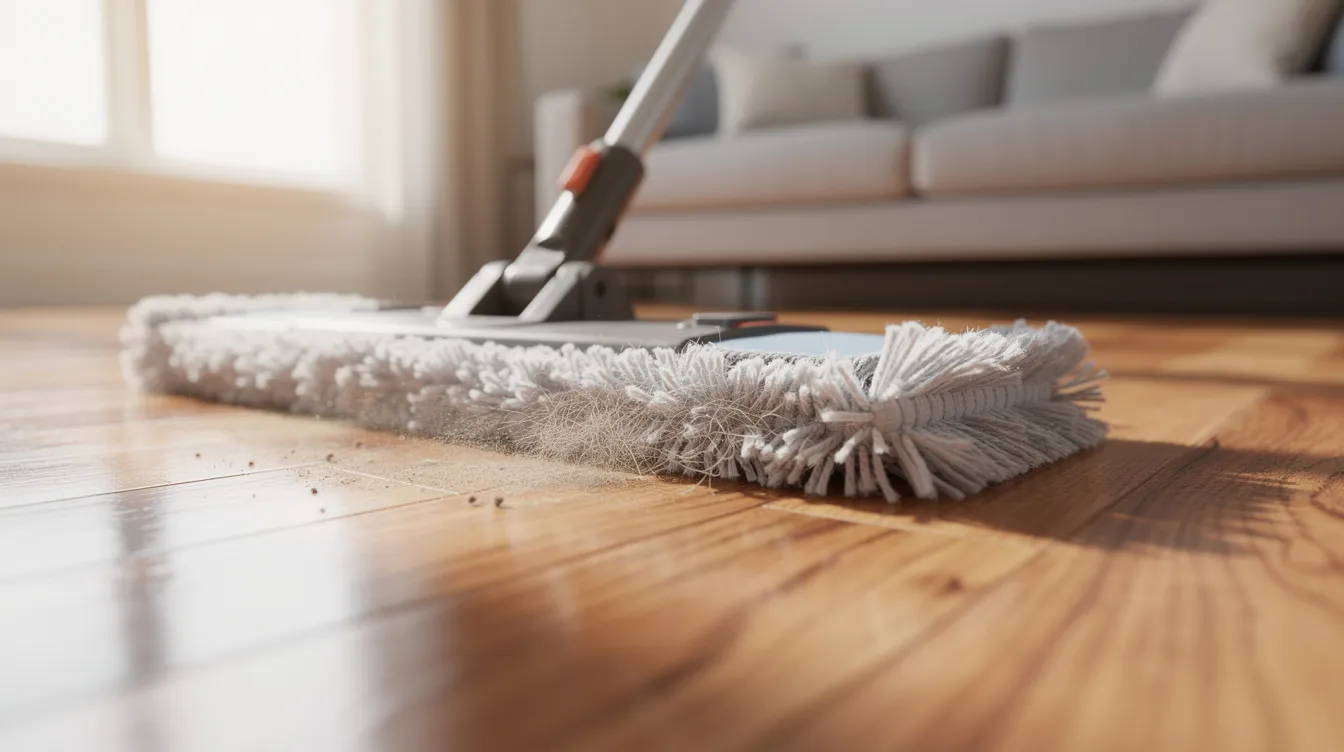
Build these habits into your week:
- Dust mop or sweep daily with a microfiber dust mop or soft bristled broom to remove dust, dirt, and debris before they can scratch the finish.
- Vacuum weekly using vacuum cleaners set to a bare floor setting – no beater bar, soft brush head, and adjustable suction to avoid scratching. Regular vacuuming with a hardwood-safe attachment protects against scratches.
- Lift the vacuum rather than dragging it across the room. Keep wheels clean and avoid hard plastic attachments directly on the surface.
- Never use steam mops on hardwood. They force too much moisture into seams and cracks, causing cupping and swelling that do more harm than good.
- If you need to wet mop, use a well-wrung microfiber mop – never a soaking wet mop. Excess water is the enemy.
Choosing Safe Cleaning Supplies and Methods
The wrong cleaning solution can dull a floor’s finish in a single season, shortening the interval before you need costly refinishing. Use pH neutral cleaners specifically designed for hardwood floors, and always follow the manufacturer’s instructions. “All-purpose” or “hard surface” cleaners can leave residue and cloud the finish.
- Avoid harsh chemicals: vinegar, ammonia, bleach, oil soap, and wax-based sprays can strip, haze, or contaminate a polyurethane finish. They also interfere with future refinishing adhesion.
- Damp mop correctly: work a small area at a time with a nearly dry mop, then immediately wipe with a dry mop or clean towel. This keeps floors clean without introducing too much moisture.
- Test any new product on a hidden section – inside a closet or under a radiator. Check for haze, streaks, or slipperiness after the surface dries.
- For customers in Agawam and nearby towns, Expert Flooring LLC can recommend specific brands that work well with most modern finishes we install and refinish.
Protecting Hardwood Floors from Wear and Tear in High Traffic Areas
Concentrated foot traffic near exterior doors, kitchens, and main hallways can wear through a floor’s finish years earlier than low-use rooms like bedrooms. Prevention is far cheaper than repair.
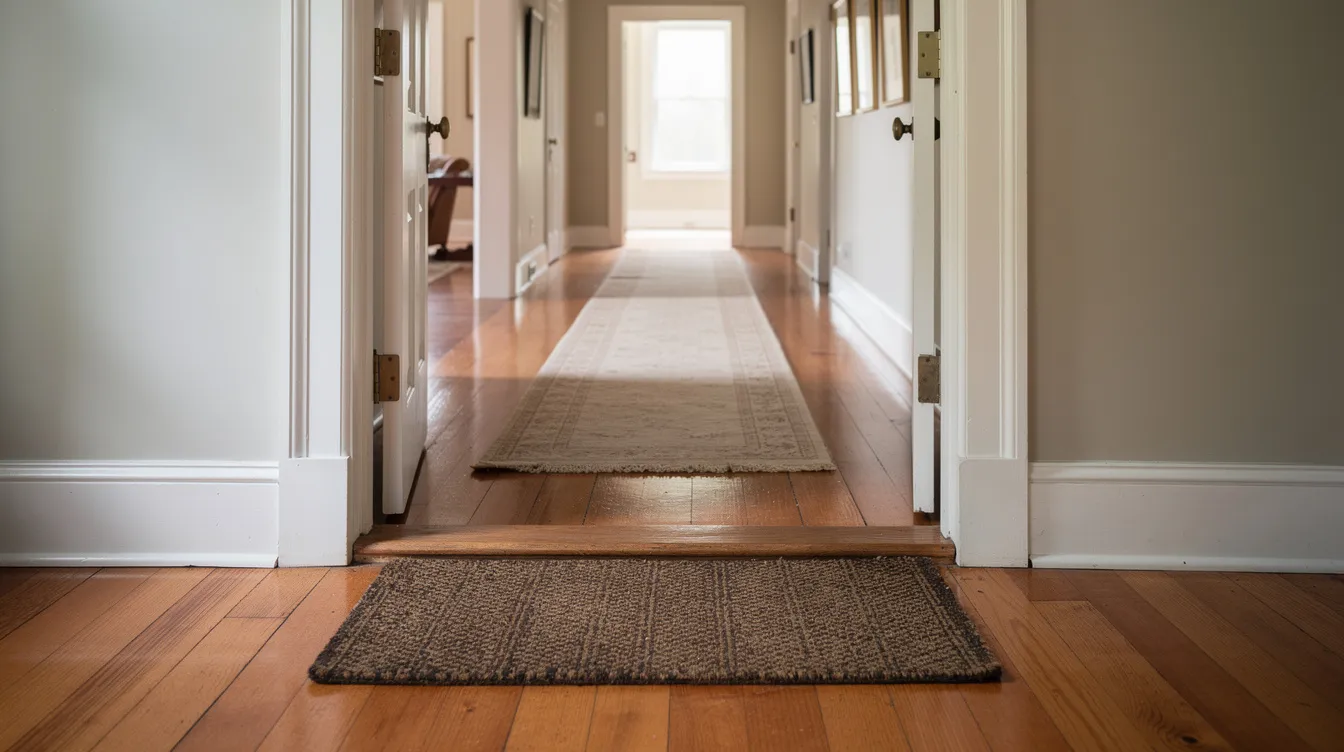
- Use entry mats at every exterior door – both outside and just inside – to trap dirt, road salt, and moisture before they reach the bare floor. This is especially important during Western Massachusetts winters.
- Place rugs and runners in high traffic paths. Use rug pads labeled “safe for hardwood floors” – avoid rubber backing that can discolor the finish or trap moisture.
- Put furniture pads or soft felt glides under chairs, tables, and heavy furniture. Check and replace them a few times per year, since grit packs into felt and can scratch instead of protect.
- Keep pets’ nails trimmed to minimize scratches on hardwood surfaces. Pets also carry dirt and salt indoors, so mat their feeding and watering areas.
- Avoid dragging heavy objects – refrigerators, pianos, bookcases – across hardwood floors to prevent damage. Use furniture sliders or lift items.
- Encourage removing high heels and cleats indoors to avoid scratching the surface.
Protecting the finish in these zones delays the need for sanding and refinishing, saving homeowners in Springfield, Chicopee, and Enfield, CT thousands over the life of the home.
Managing Moisture, Humidity, and Winter Conditions
Seasonal humidity swings in the Pioneer Valley – dry, heated air in winter and humid summers – cause hardwood to expand and contract. Indoor humidity fluctuations can cause wood to crack, swell, or warp if left unchecked. Maintaining stable conditions is one of the most important steps for extending floor life.
- Maintain indoor humidity between 30–50% year-round. Use humidifiers in winter and dehumidifiers or air conditioning in humid months. Some sources recommend a range of 35–55%, while others cite 40–60%; the key is consistency and avoiding extremes.
- Gaps between boards in January and February are normal. Severe or sudden gapping may require professional inspection.
- Winter threats: rock salt, sand, and calcium chloride tracked in from Agawam and Springfield sidewalks scratch the surface and leave chemical residue. Use boot trays, extra door mats, and clean up melted snow immediately.
- Wipe up spills immediately to avoid water damage. Limit water exposure to prevent warping, cupping, and damage to the finish.
- Watch for prolonged standing water near exterior doors, under pet water bowls, and around baseboard heaters – it can cause cupping, crowning, or black water stains that penetrate the wood.
Shielding Hardwood Floors from Direct Sunlight and Heat
Prolonged exposure to UV light can fade and discolor hardwood, especially darker-stained oak, cherry, or walnut planks. South- and west-facing windows in homes across Westfield and Longmeadow can deliver intense direct sunlight that creates uneven “tan lines” over time.
- Use blinds, curtains, UV-filtering window film, or sheer panels in rooms with strong sun exposure.
- Periodically move or rotate rugs and furniture so the hardwood floor ages and patinas evenly across each room.
- Never place space heaters directly on or very close to hardwood. Excessive localized heat can dry out boards, crack the finish, and cause lasting damage.
- Some color change is natural – oil-based polyurethane ambers over years, and all wood oxidizes. Minimizing extreme light and heat exposure slows drastic shifts and keeps refinishing options flexible for future color changes.
Dealing with Scratches, Dents, and Localized Damage
Addressing minor scratches and dents promptly prevents deeper wear and tear and preserves the protective layer on your hardwood. Once the finish is breached and bare wood is exposed, moisture and stains accelerate damage.
- Light surface scratches (finish only): Use manufacturer-approved touch-up kits, blending markers matched to your stain color, or a small amount of compatible finish after lightly cleaning the affected area.
- Deeper scratches or dents reaching bare wood: Avoid random DIY sanding patches – they usually cause patchiness in sheen and do more harm than good. Professional spot repair or board replacement produces a seamless result. Professionals can assess deep scratches or water damage in hardwood flooring accurately.
- Common damage sources: Pet nails, kids’ toys, rolling office chairs, and heavy dining chairs. Use protective mats under rolling chairs, trim nails regularly, and keep felt pads fresh.
- Water stains: Small water rings may buff out if they haven’t penetrated the finish. Black water stains typically indicate chemical penetration into the wood and usually require board replacement plus refinishing of the affected area.
Expert Flooring LLC specializes in blending hardwood floor repair into existing floors across Western MA homes so repairs are virtually invisible against surrounding boards.
Planning for Recoating, Sanding and Refinishing, or Replacement
There are three levels of professional care, and understanding which one you need saves both time and money. Refinishing can extend the life of hardwood floors significantly – often by decades.
Recoating (screening + recoat): Light abrasion of the existing finish followed by a new coat of topcoat. Best when the finish looks dull but hasn’t worn through to bare wood. Routine maintenance like screening and recoating is needed every 3 to 7 years in normal-use homes.
Full sanding and refinishing: The sanding process removes the old finish down to bare wood, corrects scratches, stains, and imperfections, then applies new stain and finish. Refinishing involves sanding down the old finish and applying a new one. You can refinish hardwood floors every 7–10 years for optimal longevity, depending on foot traffic and maintenance. High-quality hardwood floors can be sanded multiple times – solid hardwood typically allows 4–6 sandings over its lifetime. In Massachusetts, refinishing typically runs $4–$9 per square foot, while full replacement costs $8–$18 per square foot.
Replacement: Usually necessary only for severe water damage, structural rot, or when the wear layer is too thin to sand safely. Otherwise, refinishing restores a “like-new” appearance at a fraction of the cost of new floors.
Signs you should call a professional:
- Gray or bare patches where finish has worn away
- Deep scratches across multiple boards
- Cupping, crowning, or widespread discoloration
- Black stains from water or pet damage
Expert Flooring LLC handles this with a free in-home evaluation: moisture readings, discussion of color and sheen options, and a written quote for the work needed.
Long-Term Habits to Help Hardwood Floors Last for Decades
Consistent small habits matter more than occasional big projects when it comes to extending the life of hardwood floors. These simple steps keep your beautiful flooring looking its best and push major interventions further into the future.
A simple yearly schedule:
| Frequency | Task |
|---|---|
| Daily/Weekly | Regular sweeping, vacuuming on bare floor setting, remove dust and debris |
| Monthly | Damp mop with hardwood-safe cleaning solution |
| Seasonally | Check humidity levels, inspect door mats and runners before winter |
| Annually | Inspect high traffic areas for finish wear, check furniture pads, assess for minor scratches or dents |
| Every 3–7 years | Professional screening and recoating |
| Every 7–10 years | Evaluate need for full sanding and refinishing |
Keep a “floor care kit” on hand: a microfiber mop, hardwood-specific cleaner, touch-up marker matched to your floor color, extra felt pads, and the right tools for quick spill response. These habits preserve the natural beauty and durability of your hardwood, keeping the floor’s finish intact longer and saving thousands over the life of your home.
If you’re a homeowner in Agawam, Springfield, Chicopee, Holyoke, Westfield, Southwick, or any nearby town, Expert Flooring LLC is here to help. Whether you need refinishing, repair, or simply want professional advice on maintaining your hardwood flooring, schedule a free estimate and let us help you protect your investment for the next generation.